Stitched Line Font for Creative Branding Projects
I recently picked up Stitched Line, a display font that immediately caught my eye with its clean, handcrafted look. As I sat down to work on a branding project for a local boutique, I was eager to test how this typeface would hold up in real-world applications. What I found was a surprisingly versatile option that added warmth and character without overwhelming the design.
First Impressions: Stitched Line in Logo Design
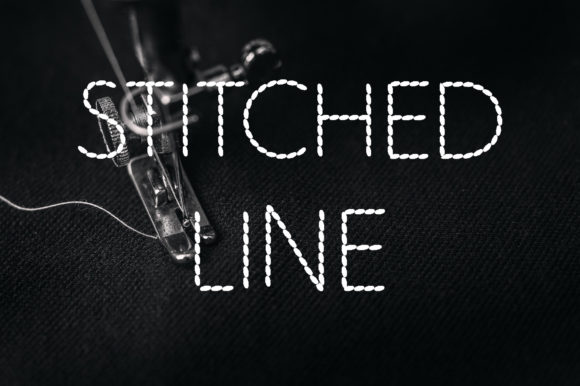
When I opened the brand board file and began sketching out logo ideas, I knew the client wanted something modern yet approachable. I started by placing Stitched Line into a few mockups — and it worked beautifully. The font has a subtle texture that mimics stitched fabric or thread, which gave the logo a tactile, artisanal feel. It’s not just a display font; it's a storytelling element in itself.
What stood out was how easily it could adapt to different styles. I paired it with a minimalist sans serif for a more refined contrast, but also tried it alone in a monochrome layout. In both cases, the Stitched Line font brought a sense of authenticity and charm. It’s perfect for businesses that want their identity to reflect craftsmanship, like handmade shops or creative studios.
Stitched Line for Packaging and Product Labels
Next, I moved on to product labels and packaging mockups. The Stitched Line font performed well when used in short bursts — think taglines, brand names, or key messaging. Its simplicity meant it didn’t get lost among other design elements, while still maintaining an elegant presence. On a sticker label for a handmade soap line, it felt personal and inviting, exactly what the product needed.
I noticed that using Stitched Line as the main headline on the front of a box made it pop without being too loud. For small businesses looking to stand out in crowded markets, a display font like this can make all the difference. It adds visual interest without compromising legibility, which is crucial when you're working with physical products.
Testing Stitched Line on Social Media Graphics
Social media graphics are where many designers discover the true potential of a font. I tested Stitched Line across several platforms — from Instagram posts to Facebook banners — and it adapted seamlessly. The font’s unique stroke patterns helped create a cohesive theme across digital assets, especially when paired with muted pastel tones and soft textures.
One thing I appreciated was how it scaled. Whether it was a large hero banner or a small caption, the Stitched Line retained its clarity and personality. This is a big plus for freelancers or small studios who need consistency across various formats without overcomplicating the process.
Stitched Line in Editorial and Print Materials
I wasn’t sure how the Stitched Line font would perform in editorial layouts until I tried it on a menu design and some printed flyers. Used sparingly as a headline or subheading, it brought a fresh energy to the designs. The font doesn’t demand attention — it earns it through subtlety and style.
- On a café menu, it highlighted special dishes with a gentle nod to hand-drawn charm.
- In a flyer for a weekend sale at a boutique, it created a sense of urgency with a warm, approachable tone.
- For a skincare brand’s brochure, it softened the overall look and made the content feel more personal.
This kind of flexibility is rare in display fonts. Most either lean too much into boldness or become illegible at smaller sizes. But Stitched Line manages to be both readable and expressive — making it a great choice for those needing a typeface that works hard and looks good doing it.
How Stitched Line Complements Other Typography Styles
Font pairing is always tricky, but with Stitched Line, I found a few winning combinations. When I paired it with a classic serif font for body text, it created a balance between tradition and modernity. The handwritten qualities of Stitched Line added a human touch, while the serif supported detailed reading needs.
I also experimented with a bold sans serif next to it. That combo worked well for posters and website headers where I wanted high contrast and strong visual hierarchy. It’s clear that Stitched Line isn’t limited to one context — it’s adaptable enough to support a range of typographic strategies.
Using Stitched Line for Brand Recognition and Consistency
Branding is about creating a consistent experience, and the right font plays a huge role in that. I included Stitched Line in the core identity system for a few clients, using it in logos, signage, and even internal documentation. It became a subtle but powerful anchor for their brand voice.
The best part? It never felt forced. Because of its clean structure and minimal embellishment, it maintained professionalism while still feeling personal. For entrepreneurs or marketers building a brand from scratch, this kind of duality is invaluable. You want your audience to connect emotionally, but you also want to appear credible and trustworthy.
Practical Tips for Using Stitched Line in Commercial Projects
If you’re considering using Stitched Line in your next project, here are a few things to keep in mind:
- Test it early: Place the font in multiple scenarios before finalizing your brand system. Try it on business cards, shop signs, and social media thumbnails to see how it holds up.
- Check licensing: Make sure the font supports commercial use if you're working on paid projects. Licensing details will determine whether it fits within your workflow and budget.
- Use sparingly: Since it’s a display font, avoid using it for long blocks of text. Save it for headlines, accents, and key messaging where it can shine without becoming tiring to read.
- Look for alternates: If the package includes ligatures or alternate characters, explore them. They can add extra flavor to your designs without needing to switch fonts.
These practical steps help ensure that Stitched Line becomes a valuable part of your design toolkit rather than a one-time novelty.
Stitched Line for Merchandise and Storefronts
Merchandise design often requires a mix of creativity and durability. Stitched Line proved useful for custom T-shirts, tote bags, and signage for a local coffee shop. The font had enough character to catch the eye but was simple enough to print clearly on fabric and wood.
On storefront signs, it blended well with rustic textures and natural materials. I found that its slightly irregular strokes gave it a handmade quality that resonated with customers. For brands aiming to build a cozy, welcoming vibe, this display font hits the right notes every time.
Why Stitched Line Works for Small Business Branding
Small businesses don’t have the luxury of massive marketing budgets or in-house design teams. That’s why they need fonts that are effective without being overly complex. Stitched Line offers just that — a premium typeface that feels custom-crafted but is easy to implement across various platforms.
It’s particularly suited for:
- Local restaurants and cafés looking for a friendly, approachable aesthetic
- Skincare and wellness brands wanting a soft, organic feel
- Handmade or artisanal product lines seeking authenticity in their visuals
Each time I used Stitched Line, it added a layer of intentionality to the brand — something that sets it apart in a sea of generic fonts.
Real-World Observations with Stitched Line
During a recent project for a new boutique, I watched how the font affected customer reactions. When we placed Stitched Line on the store window sign and later on product tags, people stopped to read the names. It wasn’t just about the message — it was about the mood the typeface created.
There were moments where I thought maybe the font was too delicate, but once applied in context, it showed strength. It communicates simplicity and elegance, which are incredibly powerful in branding. Clients who want to avoid the corporate look often gravitate toward display fonts like this one because they feel more genuine.
Stitched Line as a Standout Typeface in Web Design
Web design is another space where Stitched Line surprised me. I used it in a homepage header for a creative studio site and saw how it added a touch of whimsy without losing professionalism. The font loaded quickly and rendered cleanly across browsers — important factors when choosing a font for web use.
Its use in call-to-action buttons and hero sections gave the site a memorable edge. Users didn’t just scroll past — they paused and engaged. That’s the mark of a good display font: it draws the eye and keeps it there.
Final Thoughts on Stitched Line and Display Fonts
While I can’t promise guaranteed results (no designer should), I can say that Stitched Line has earned a permanent spot in my font library. It’s not just another display font — it’s a thoughtful, stylish option that enhances the emotional impact of any brand project.
Whether you're designing for a startup, a seasonal campaign, or a passion-driven business, Stitched Line gives you the tools to craft something truly unique. And in a world full of generic templates and stock assets, that’s exactly what your clients are looking for.
So, if you're ready to bring a little soul into your next design, give Stitched Line a try. Let it tell the story your brand deserves — and watch how it transforms your typography into something unforgettable.